When does Texas get the most hail?
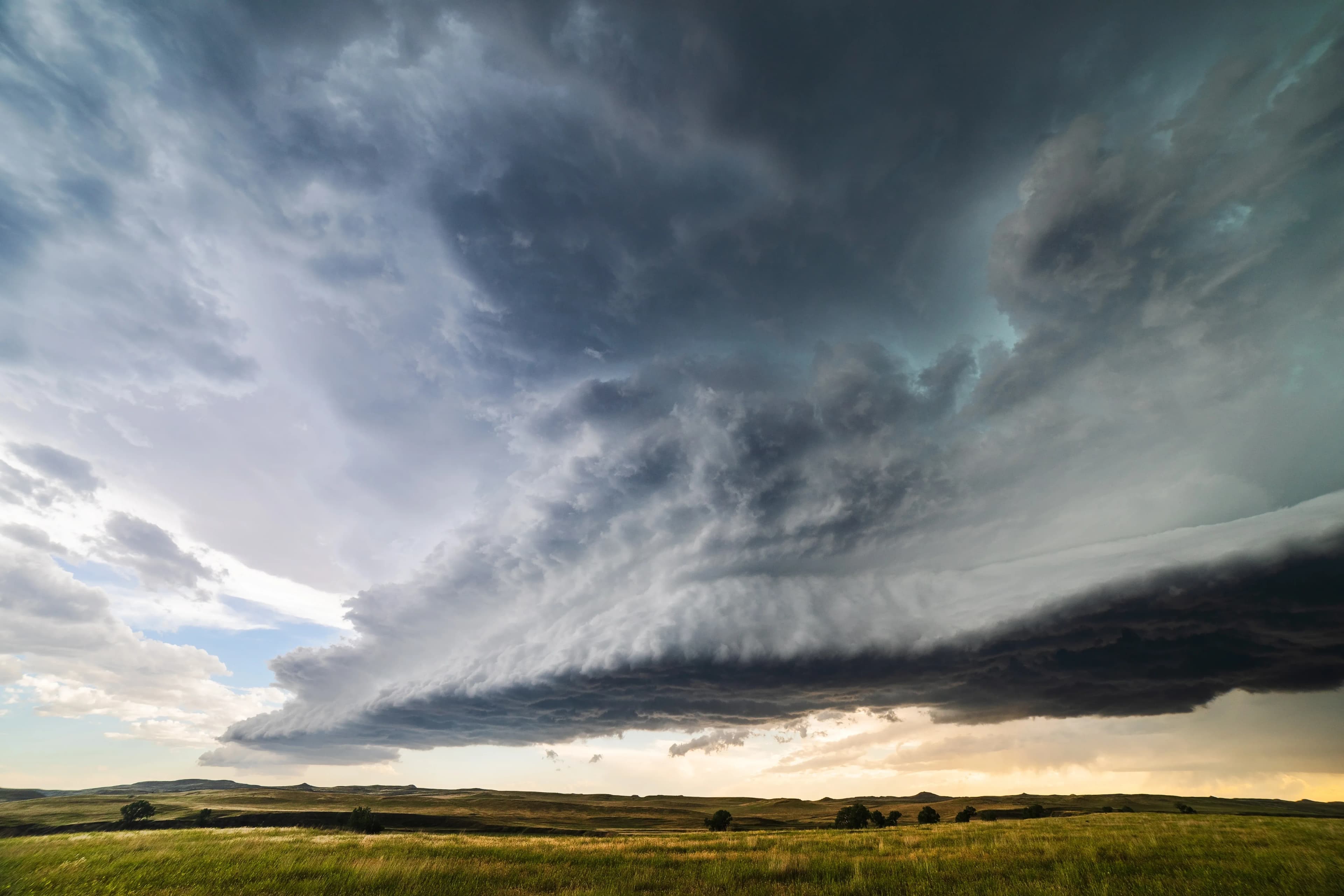
Hail storms are most common in Texas in the spring. Weather conditions during the months of March, April, and May present an excellent opportunity for powerful thunderstorms to appear, often bringing hail with them.
It’s best to be prepared for hail before the first day of spring in Texas, but the most active season for hail typically lasts into the early weeks of summer–often sometime in June.
When cold air from the north collides with warmer, humid spring winds from the south, storms are most likely to form. This natural clash of temperatures is the mixing pot required to drive stronger winds, more intense precipitation, and more chances for windstorms and hailstorms to form over Texas and other southern and central states.
Thunderstorms are most often responsible for creating updrafts that lift water drops to the upper atmosphere where huge flows of cold air called jetstreams are rushing across the United States year-round. When airborne droplets reach jetstream level they begin to freeze, then fall back to earth as gravity overtakes the lift of the updraft.
The lower the freezing happens in the atmosphere, the greater the chance that solid frozen rain or hail will return to Earth before it has a chance to melt.
When else does Texas have hail?
Although the springtime presents more chances for the ‘perfect storm’ of hail conditions, the opportunity for hailstorms remains throughout the later seasons of the year. There is often a secondary peak of hail activity in Texas in the fall–usually through September and October. The most damaging storms in recent history have fallen in the spring, but the potential for roof damage and other harms exists year-round.
How often does it hail in Texas?
There are several hundred hail events recorded in Texas each year, with some years including over a thousand recorded hail impacts. In 2023, a record year for hail activity in Texas, there were over 140 days with large hail of over two inches in size across the United States. Texas is the largest contributor to a nationwide statistic like this one, so Texas-specific numbers are likely to be similar.
What areas in Texas get the most hail?
These hundreds of hailstorms are not evenly distributed across the state–parts of Texas with a higher elevation are more prone to large hail due to the shorter distance between the freezing cloud layer and the ground below.
This means that larger cities in central Texas including Amarillo and Lubbock have the greatest number of days with records of large hail activity. To the east, cities outside of the High Plains including the Dallas/Fort Worth ‘metroplex’ also receive substantial thunderstorm and hail activity.
Texas Metropolitan Areas with the Most Days of One-Inch Hail Since 2000
- Amarillo
- Fort Worth
- Lubbock
- Dallas
- Denton
What makes the Texas panhandle more likely to get hail?
Areas of the Texas panhandle and the High Plains extending to the south through the center of the state are among the highest elevations in Texas. Logically, these High Plains are the frequent target of larger hail storms and the thunderstorms that bring them along.
Which parts of Texas get the least hail?
The lower, coastal areas of Texas are less likely to receive hail, although they have their share of windstorms and other weather hazards. Among the larger metro areas across Texas, the Houston-area cities of Galveston, Pearland, and Sugar Land had the fewest days of recorded one-inch hail among cities of at least 100,000 residents. Further down the coast, Corpus Christi and Brownsville represent the population centers in south Texas that are largely hail-free.
Texas Metropolitan Areas with the Fewest Days of One-Inch Hail Since 2000
- Brownsville
- Galveston
- Corpus Christi
- Pearland
- Sugar Land
What can you do to prepare for hail season in Texas?
Awareness is a great first step for people living in Texas who are worried about the threat of hail damage to their homes. Take the time to understand what is and is not covered by your home insurance, roof warranty, or roof insurance policy. In some situations, wind and hail coverage is a separate offering from a traditional homeowners insurance policy and it may carry a higher deductible than other policies.
Wind and Hail Deductible - This is the portion of the repair costs that you’ll be expected to pay before your home insurance company contributes any other money to complete the repair work on your wind- or hail-damaged home
Ask questions about your existing hail coverage and any limits or exclusions that may exist to avoid being hit with surprise expenses in the case of wind or hail damage to your property.
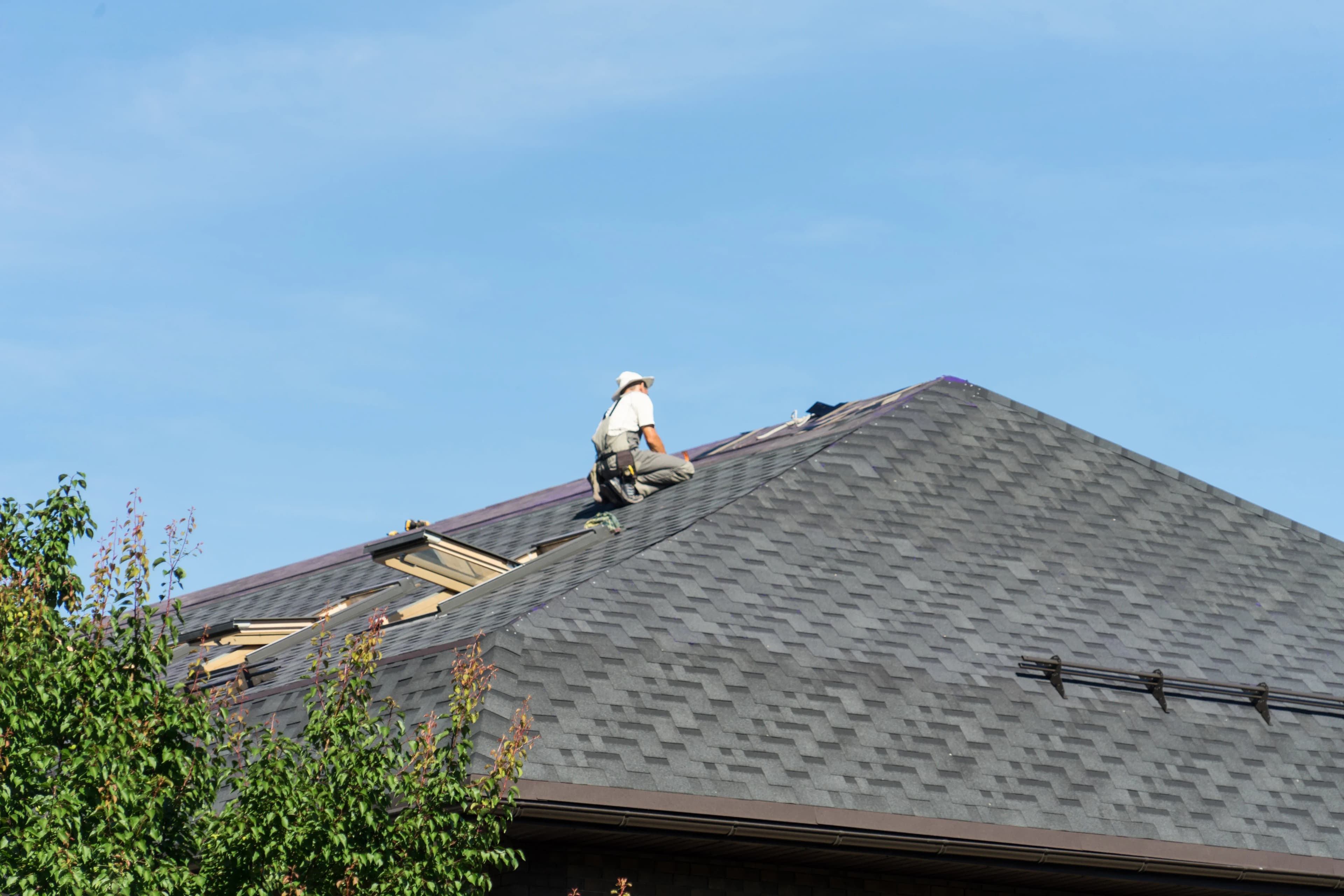
Another good habit is to regularly confirm the health of your roof. One way to do this is to get your roof inspected annually, before hail season hits your area. With a professional roofing assessment in hand, you can feel more confident that your home is soundly covered. A structurally sound roof is much more likely to repel future damage by hail or wind.
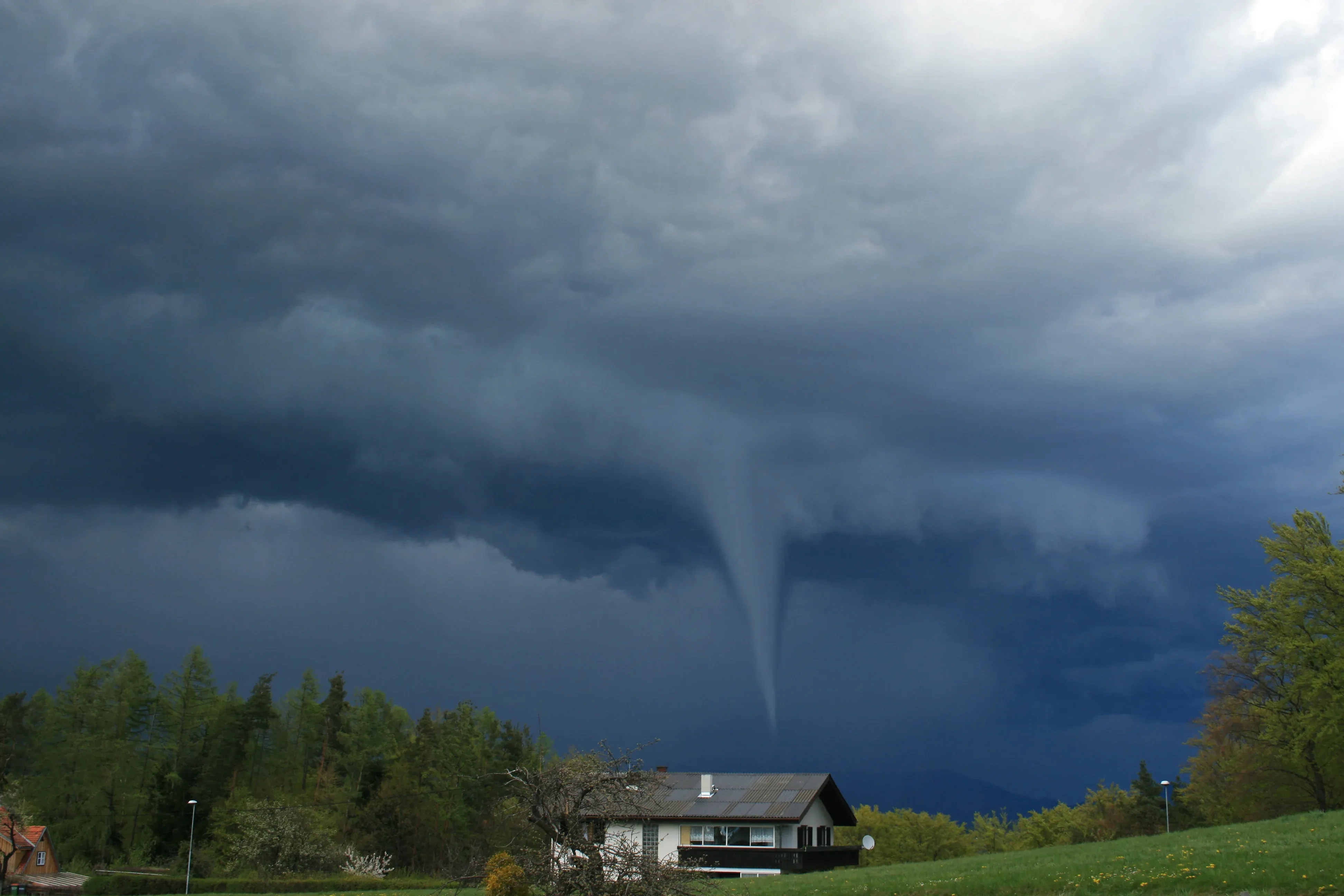
A third recommended practice is readiness, including you and your entire family group. Find a safe place to seek shelter in case of a severe thunderstorm or tornado warning, and discuss your storm safety plan with your loved ones.
Summary: Texas Hail Season
Texas homeowners should be alert and aware of local weather patterns throughout the year, with special attention paid to the springtime conditions that could create thunderstorms, strong winds, and hail. Consult with reputable roofing and insurance professionals to understand your coverage of both types–physical and financial. Make plans for your safety and that of your loved ones if extreme weather should hit your area.
Sources:
Lada, Brian. “Why are hailstorms most common in spring?” Accuweather,
https://www.accuweather.com/en/weather-news/why-are-hailstorms-most-common-in-spring/335072
Fields, Alyssa. “Five Worst Dallas Hail Storms on Record” Dallas Observer, April 01, 2025,
https://www.dallasobserver.com/news/five-worst-dallas-hail-storms-on-record-22013247/
Franze, Anthony. “Which Texas city is the most prone to getting large hail? The answer may surprise you.” San Antonio Express-News, March 19, 2025,

Gray is the Senior Content Specialist at Sola Insurance, working with the Sales and Marketing teams to provide helpful, valuable content for homeowners and agents. Gray has worked previously in finance, logistics, and advertising.