How is the weather different in Oklahoma?
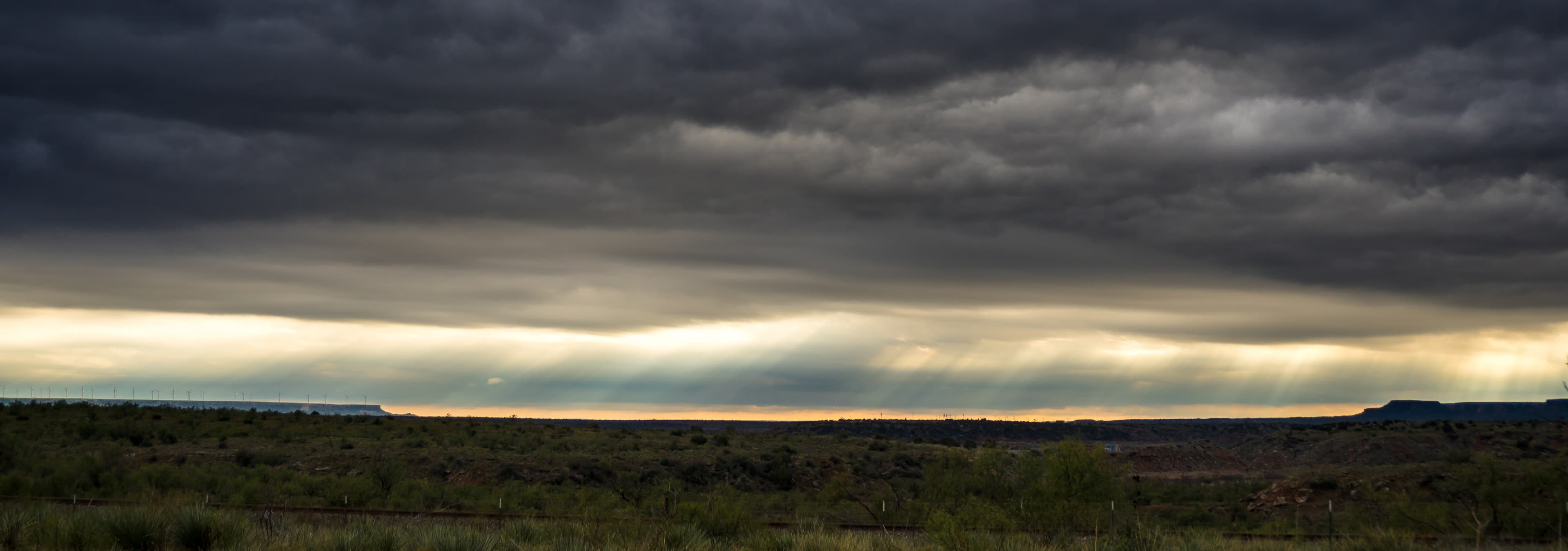
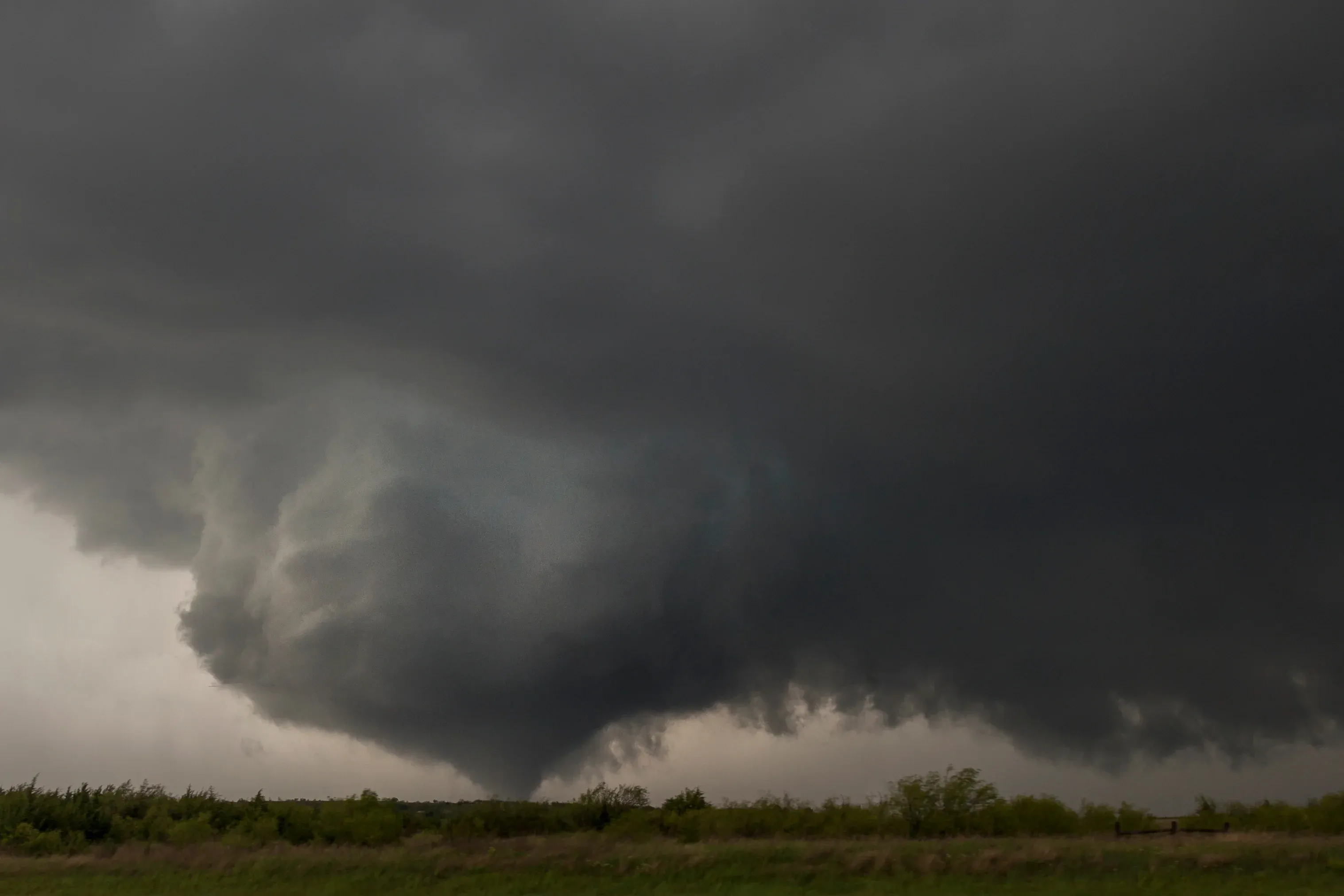
Oklahomans get more than their fair share of wild weather, and it’s not by coincidence. The Sooner State sits in a special spot in the heart of the U.S. within the famously dangerous ‘Tornado Alley’ as well as the smaller ‘Hail Alley’. The plains of Oklahoma, especially the areas at a lower elevation to the east, are perfectly placed for a mix of cold, dry air rushing down from the Rocky Mountains and warm, wet air blowing up from the Gulf Coast.
When this natural collision happens, it’s as if a massive mixing bowl for storms was being used. High winds and thunderstorms are formed easily and often. And where thunderstorms go, tornadoes and hailstorms often follow.
Oklahoma’s history of tornadoes is well-known. The state has been the target of record numbers of tornadoes for over a century, with many of those storms recorded at historic magnitudes and sizes.
The Ten Deadliest Oklahoma Tornadoes
- Cleveland County, Oklahoma - 1893
- Snyder, Oklahoma - 1905
- Peggs, Oklahoma - 1920
- Bethany, Oklahoma - 1930
- Pryor, Oklahoma - 1942
- Oklahoma City, Oklahoma - 1942
- Antlers, Oklahoma - 1945
- Woodward, Oklahoma - 1947
- Bridge Creek/Oklahoma City, Oklahoma, 1999
- Moore/Oklahoma City, Oklahoma - 2013 (the most recent U.S. EF5 tornado)
From the earliest days of recorded storm history in the United States, Oklahoma has been the target of significant tornado activity, but Tornado Alley isn’t the only reason for worry. The Coastal Plains region, including the eastern part of the state which sits at a lower elevation with more exposure to southern air, sees frequent hailstorms produced by large thunderstorms.
Hailstorms form in some of the same conditions that generate the worst tornadoes. Considering this other type of threatening weather that can sometimes be paired with tornado activity, Oklahomans find themselves watching the skies even more cautiously than most other residents of the region.
Oklahoma sources are key to national weather reporting
Since it provides such a rich supply of weather data, it isn’t surprising that multiple key weather research organizations are based in Oklahoma. In fact, two of the most respected groups are both headquartered in Norman.
- The National Severe Storms Laboratory (NSSL) in Norman, Oklahoma
- The Cooperative Institute for Severe and High-Impact Weather Research and Operations (CIWRO)
This concentration of academic study brings researchers and experts from all over the country together in a city of around 130,000 people. The work done in the Norman area reveals important information about the behavior of storms and other weather patterns across the central United States and the rest of the continent. This research is key to greater understanding of our global weather systems, their potential for damage, and the best ways for people to stay safe when damaging storms strike.
In addition to pushing new boundaries in meteorology and other weather sciences, Oklahoma is also the home to a number of significant historical weather events and occurrences.
In 1951, a meteorologist named Harry Volkman at WKY-TV in Oklahoma City made history by sharing the world’s first televised tornado warning.
Tulsa also displays intense weather patterns that stand out with extreme heat and high precipitation levels being part of everyday life in the area. These trends indicate the possibility of even more unpredictable storm activity in the future as warmer air is able to retain more water, boosting the potential strength of local storms. Oklahoma is likely to remain a focal point for weather research in the U.S. for years to come.
What can Oklahomans do to prepare for storms?
Think about the aspects of your home that protect you and your loved ones from dangerous weather. Your home, the roof on top of it, and the provisions you make to recover from any damage that may occur are all key parts of your safety during storm season.
Find a schedule for checking the health of your roof. This will most likely mean requesting a free roof inspection from a reputable local roofing company. Their review of the roof’s condition will typically include photographs taken from your rooftop with any trouble spots marked for attention. Try to schedule this sort of inspection sometime before the months that bring the most wind and hail activity and potential damage.
If the inspection reveals any missing shingles, gaps, or openings in your roof that shouldn’t be there, consult with your roofer and make a decision about what your next move should be. If repairs are necessary to keep out the elements, discuss your options with your insurance agent and your roofer to decide if the damage may have been caused by something covered by your current home insurance policy.
In Oklahoma, it’s worth noting that the Strengthen Oklahoma Homes program offers financial incentives to homeowners who follow certain guidelines when making home repairs. This could be an option that would ease the costs of any roof damage repairs that your home has received.
Reviewing your current home wind and hail insurance is another task worth putting on your to-do list before the next storm season.
Questions to Ask Your Insurance Agent:
You should be confident in your understanding of these questions, and comfortable with the amount you’re paying on a monthly or annual basis. Ask your insurance agent questions if you are unclear on any aspect of your policy.
If your homeowners insurance policy includes a separate wind and hail deductible, ask how that number is calculated now. You should understand your deductible costs before you find yourself in a situation where you need to file a claim on the policy. When damage does occur and a claim is filed, you will be faced with a bill for the first dollar owed towards the repairs to your home. That amount could be a flat rate or an amount based on the value of your home.
Example: For a $350,000 home with a 3% wind and hail deductible for their homeowners coverage, the owner would owe $10,500 dollars toward the repair bill before the insurance company took action to cover the rest of the bill.
Some policies may offer lower percentage dividends, or an add-on wind and hail insurance policy could provide a way to cover your wind/hail deductible at a lower overall total cost. Ask your local insurance agent which option would fit your needs best.
Sources:
“Why Oklahoma Has One of the Most Dangerous Severe Weather Histories” Radio Oklahoma News, March 05, 2026, https://www.radiooklahomanews.com/post/why-oklahoma-has-one-of-the-most-dangerous-severe-weather-histories
Bond, Carol. “Gone with the Wind” Oklahoma Magazine, March 23, 2026, https://okmag.com/blog/gone-with-the-wind/
“Top Ten Deadliest Oklahoma Tornadoes (1882-Present)” National Weather Service,
https://www.weather.gov/oun/tornadodata-ok-deadliest

Gray is the Senior Content Specialist at Sola Insurance, working with the Sales and Marketing teams to provide helpful, valuable content for homeowners and agents. Gray has worked previously in finance, logistics, and advertising.