What scale is used for measuring windstorms?
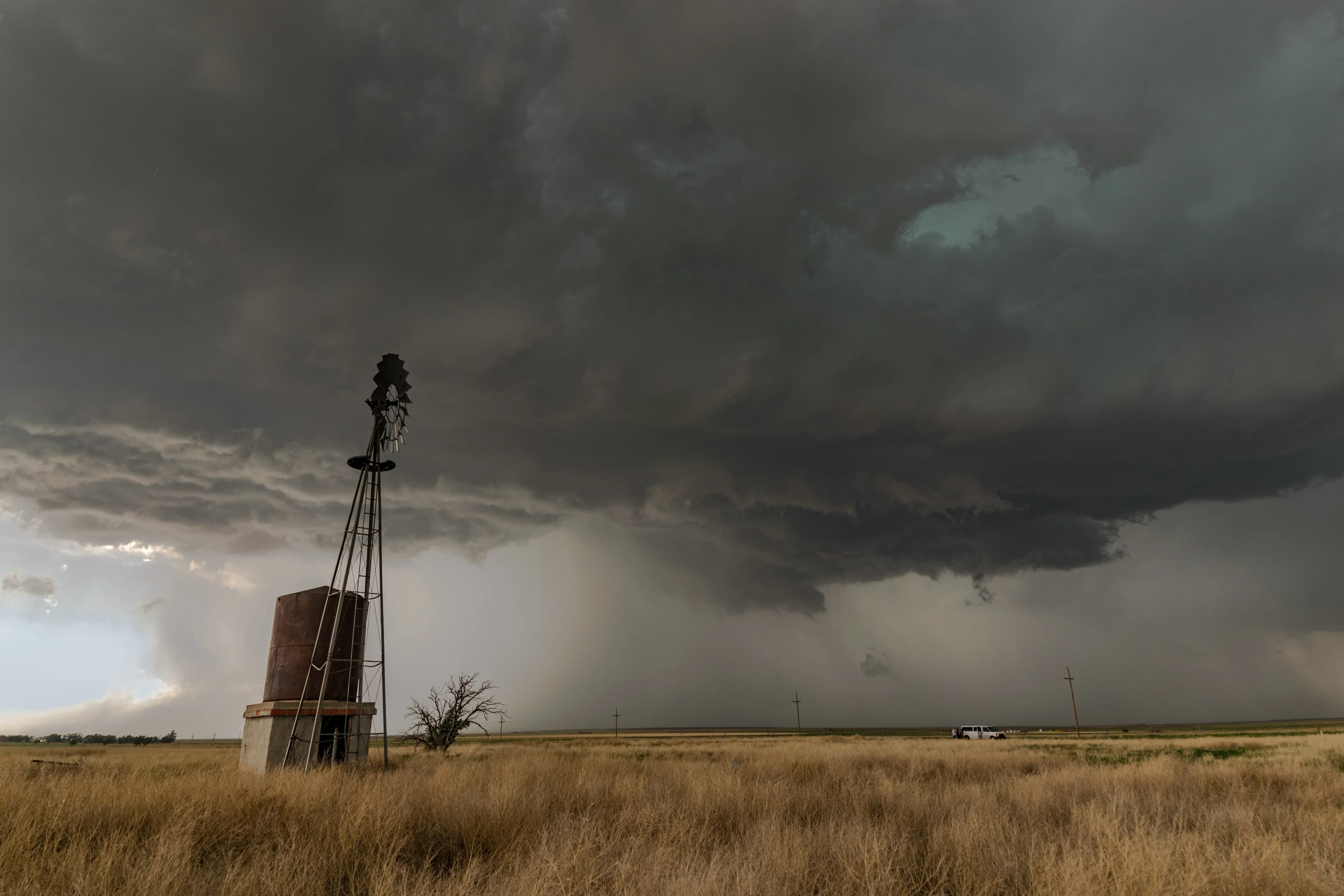
Sustained winds can be measured on the Beaufort Scale, ranging from 1-12. This longstanding scale, named after British Admiral Sir Francis Beaufort, was developed to help sailors judge windspeed by simply observing the sea around them, with no instruments required. The scale was later adapted for use on the land, based on similar observations of the world around a person.
How are tornadoes measured?
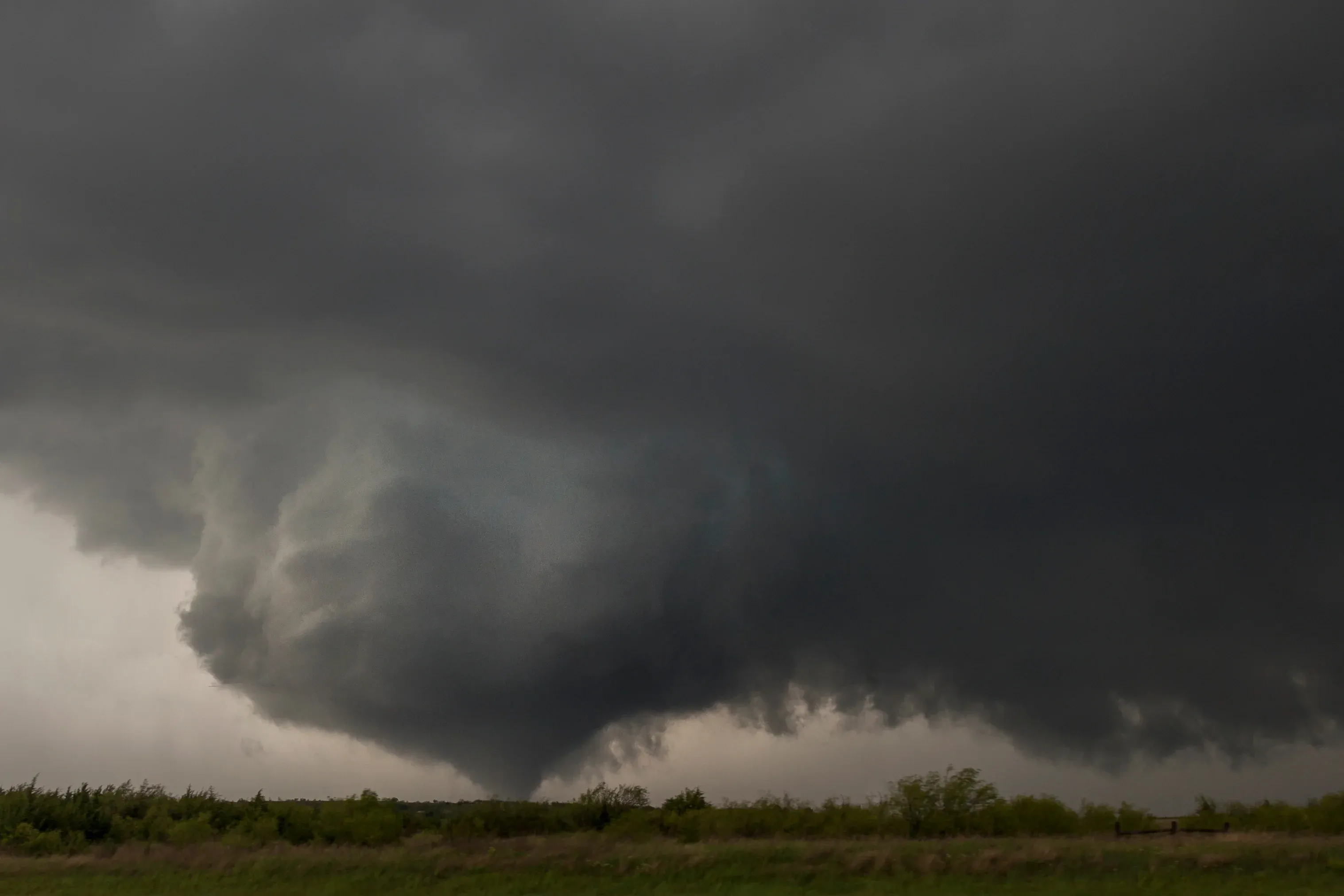
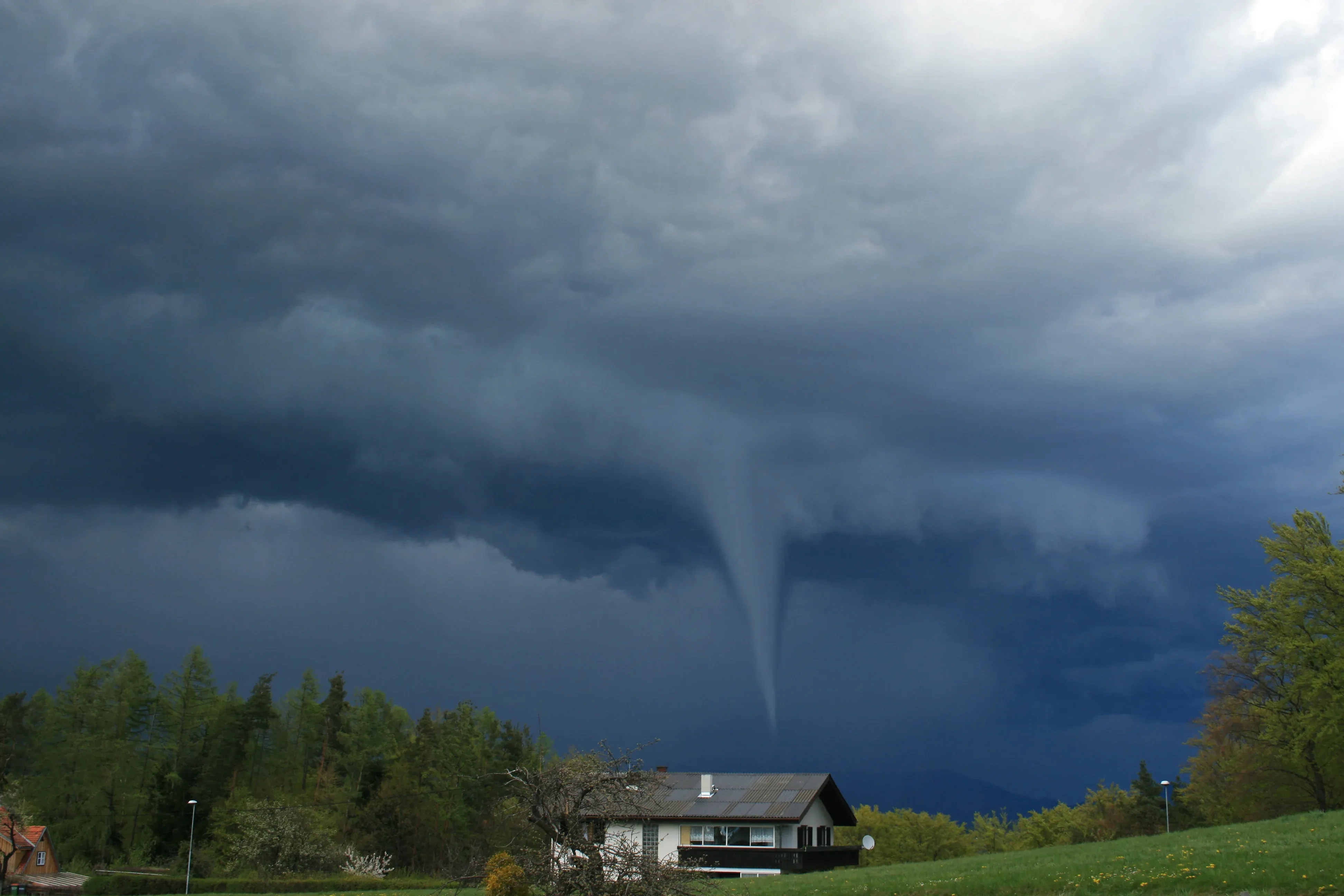
Tornadoes produce powerful winds that leave damage behind wherever they touch down. Because they are so different from 'normal' winds, tornadoes are measured with their own system: the Enhanced Fujita Scale. This rating is applied after the fact and takes into account the amount and severity of damage left in the storm’s path. These scores can only be officially assigned by the National Weather Service, and are determined based on observations of how the storm affected a set list of structure types.
EF Scale Limits
0 | 65-85 m.p.h. |
1 | 86-110 m.p.h. |
2 | 111-135 m.p.h. |
3 | 136-165 m.p.h. |
4 | 166-200 m.p.h. |
5 | Over 200 m.p.h. |
The Enhanced Fujita Scale was created in 2004 and was based on the original Fujita Scale, which had already been in use for over 30 years at that time. The original scale was widely accepted, even being applied to storms from historical records based on descriptions of damage from decades before. The Enhanced Scale was developed primarily due to the need to include a more precise range of damage indicators that better reflected the construction types of the impacted buildings.
Are tornadoes and hurricanes measured on the same scale?
Hurricanes are not measured on the EF Scale. These massive windstorms are rated on the Saffir-Simpson Hurricane Wind Scale, a measurement of sustained wind speeds generated by the storm. The SSHWS puts hurricanes in one of five categories, numbered 1-5, that are based on average wind speeds from the storm.
Saffir-Simpson Hurricane Wind Scale Limits
1 | 74-95 m.p.h. |
2 | 96-110 m.p.h. |
3 | 111-129 m.p.h. |
4 | 130-156 m.p.h. |
5 | Over 157 m.p.h. |
How are damages from wind rated?
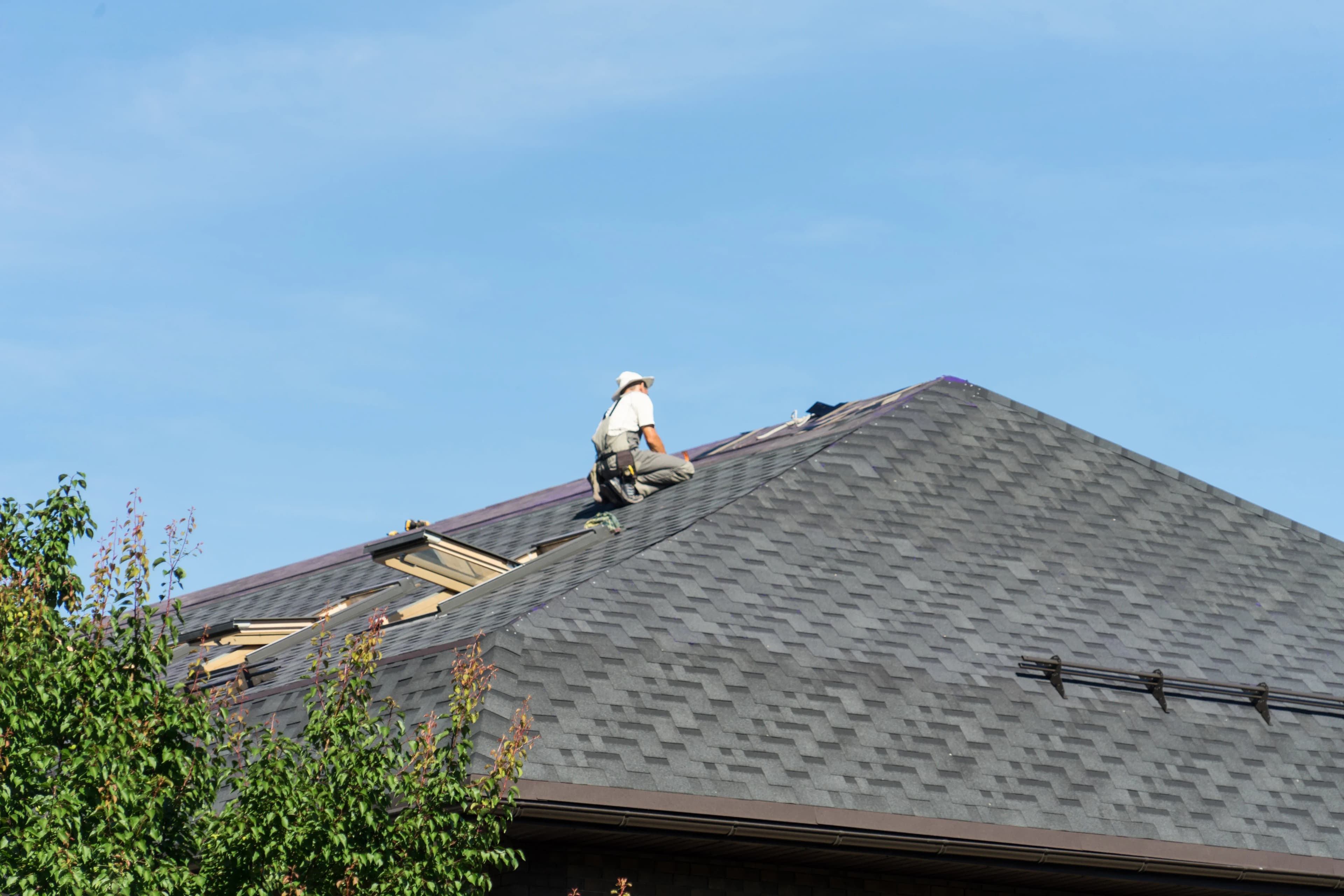
In some cases, measurements of roof damage levels are used as a gauge of wind speed after the fact. A professional roofer can help you confirm if there are any missing or damaged shingles after a storm and provide photo proof for insurance purposes. The severity of the damage your roof has suffered will be assessed by your insurance provider to determine the amount of work needed to return the structure to a usable state. Roof damage can range from minor divots in shingles to missing shingles and holes in the surface underneath, with each of these levels of damage carrying a financial weight of its own.
What are the most common types of wind damage?
Roofs take the majority of the force of a windstorm and the precipitation they may bring, and they show the first signs of trouble after high winds hit a location. Missing shingles are one of the visible indicators that users of the Beaufort scale are trained to recognize. That would indicate Category 9 winds on the scale, considered a strong gale, and likely reaching speeds of 47-54 miles per hour. Other common types of wind damage include missing pieces of siding or broken glass.
How can you prepare for windstorms to avoid damage?
How do I measure the damage to my roof?
The best and most accurate way to determine the amount of damage that your roof may have taken during a storm is to commission a roof report from a reputable local roofing professional. A roofing report will give you a clear picture of the status of your home. It can also serve as an excellent resource to provide your insurer if a claim is made. Even if you have not been impacted by a severe weather event, it's a great practice to commission a roofing report every year or two to get an understanding of your roof's health. Proof that your home's roof is strong and intact offers reassurance to you as the homeowner, and is a good sign to insurers who consider structural integrity when deciding on policy premiums.
Is insurance coverage dependent on the speed of winds?
Wind storm insurance coverage can vary for different types of winds. A missing roof caused by sustained winds of 78 miles per hour may qualify you for a full payout to cover a total roof replacement. But, on that same policy, damage that was the result of wind gusts reaching the same top speed may not get you any payout at all. These decisions are made by the insurance company, who will take many factors into consideration before making their decision.
Factors that drive the assessment of a wind insurance claim:
- Weather data from the insured location
- The loss history associated with the property
- The loss history of the person making the claim
What is the best insurance for wind coverage?
Your homeowners or commercial property insurance policy will often include coverage for wind and hail damage, but in many states, insurance carriers are required to set a separate deductible for their wind and hail coverage. By requiring a higher deductible for this part of the coverage, insurance companies are able to continue insuring structures in higher-risk areas without raising policy premiums to unaffordable levels.
The wind insurance that is included with your home policy is typically written to provide the Replacement Cost Value (RCV) of your roof at the time of purchase. After several years–usually around seven–most home insurance providers will quietly change that provision to cover only Actual Cash Value (ACV), of the value of your roof at that time, taking into account the depreciation from weather and wear that have affected it.
Adding a standalone policy such as Sola Wind and Hail to your existing homeowners insurance can prove helpful in the event of severe storm damage to your home. With the additional coverage from Sola, you could pay off your homeowners wind and hail deductible, removing the ‘first-dollar’ responsibility from your own pocket and allowing repairs to start sooner.
Ask your local independent insurance agent if additional coverage would be a good fit for you.
Sources:
Boeckmann, Catherine. “Beaufort Wind Force Scale Explained” Almanac.com, May 8, 2026, https://www.almanac.com/how-measure-wind-speed-beaufort-wind-force-scale
“Wind Gusts vs Wind Speed” ‘HazardHub, https://www.guidewire.com/hazardhub/wind-risk/wind-gusts-vs-wind-speed

Gray is the Senior Content Specialist at Sola Insurance, working with the Sales and Marketing teams to provide helpful, valuable content for homeowners and agents. Gray has worked previously in finance, logistics, and advertising.