What are the top five states for hail received?
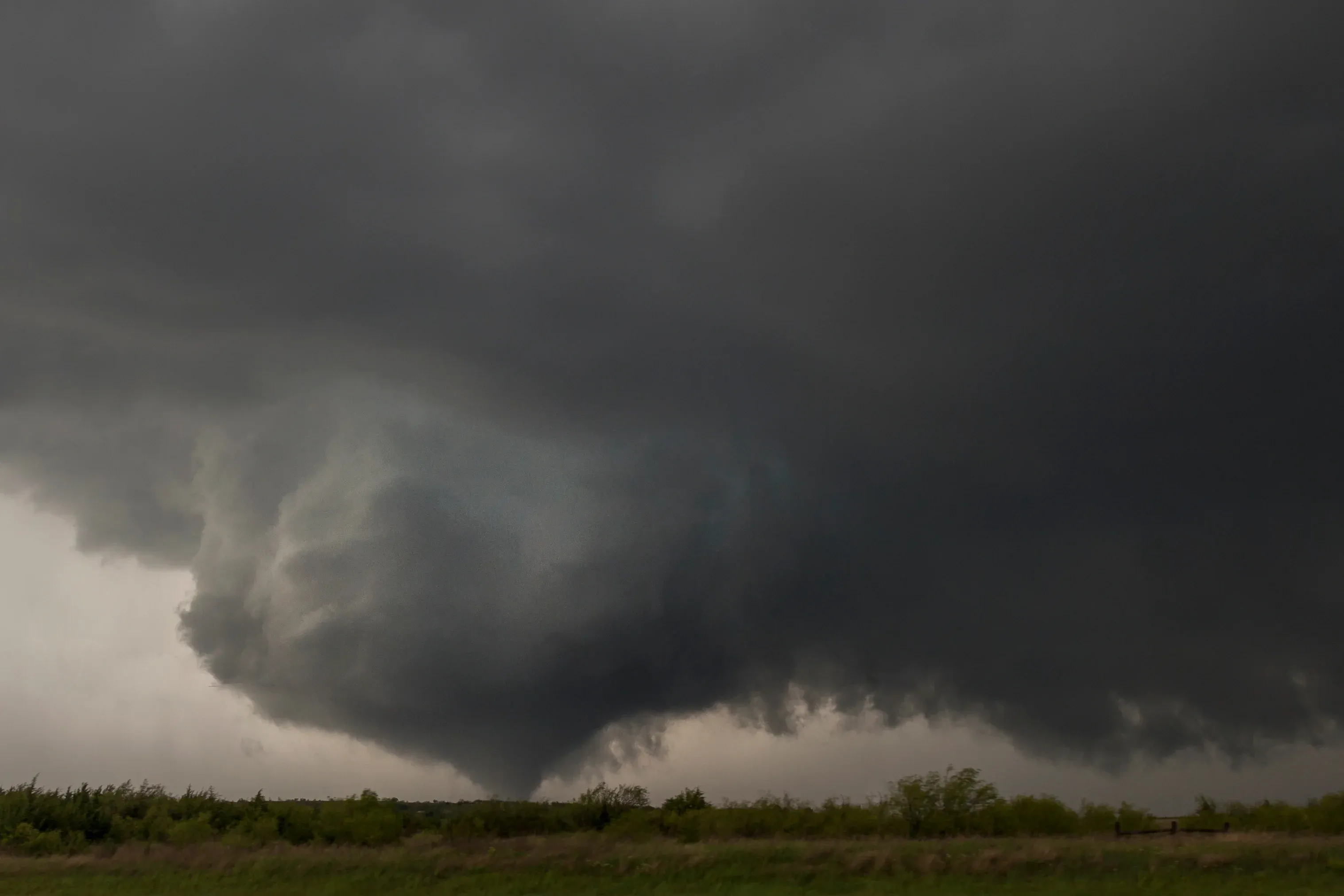
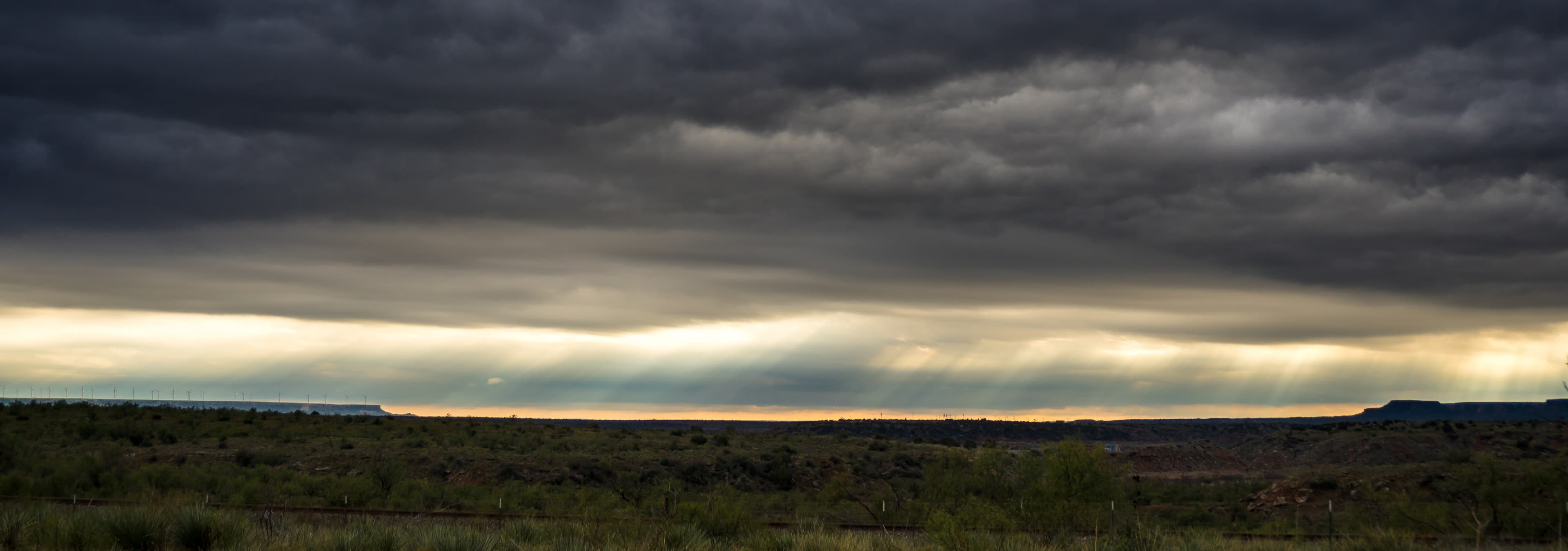
Comparing data from the last five years provides a clear picture of the states most often impacted by hail, with Texas topping the list, followed by Nebraska, Colorado, Kansas, and Oklahoma, by most metrics. These central states provide an ideal “alley” up the center of the United States for the formation of powerful thunderstorms. Hailstorms and windstorms often follow, bringing a sharply increased chance of weather damage with them.
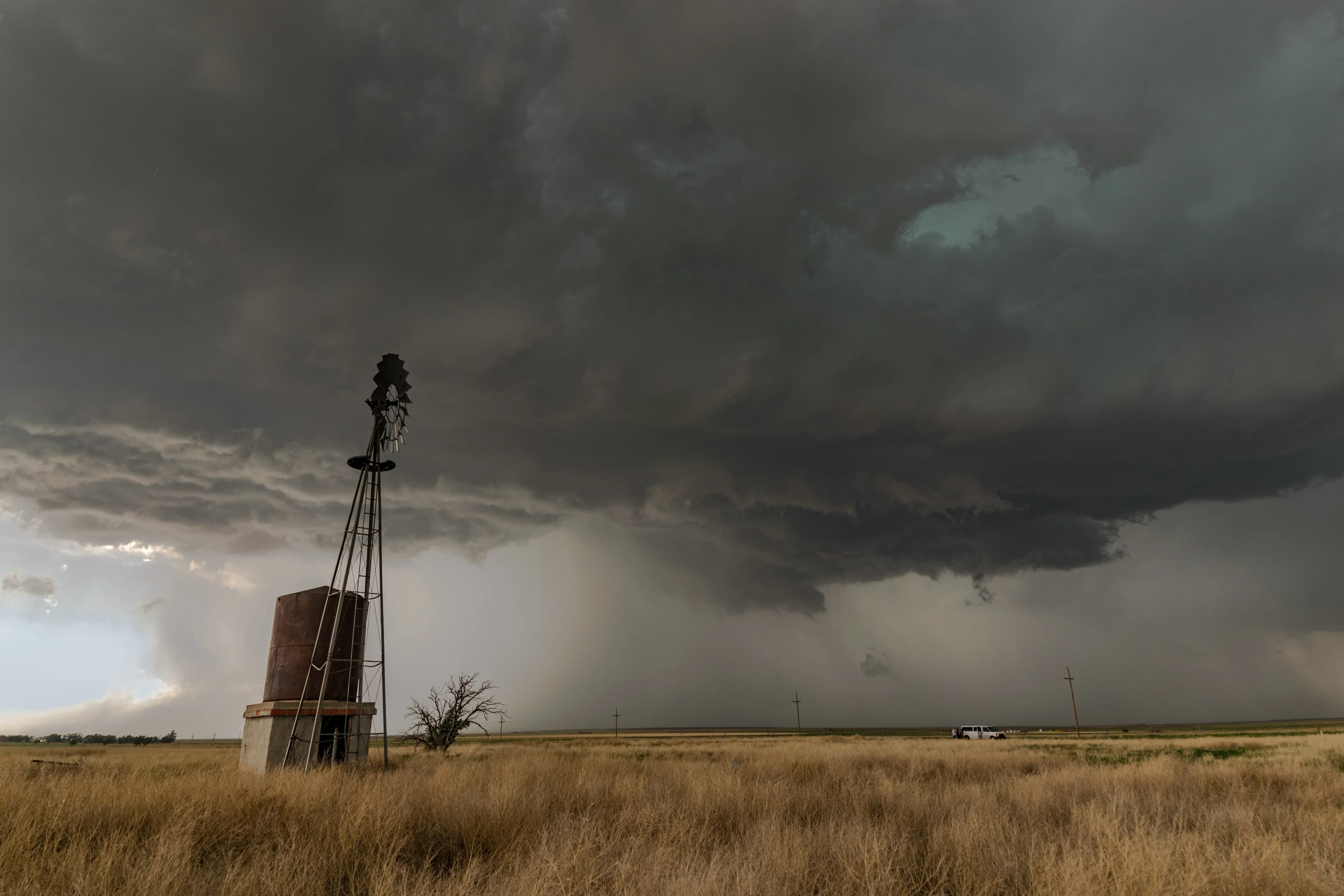
Texas naturally has the largest number of hail sightings each year based on square mileage alone. While Texas does present conditions that lend themselves to the formation of high winds and hailstorms, the vast expanses of mostly flat areas surrounding Texas population centers are the key factor in the Lone Star State’s placement at the top of this list.
What other states receive the most hail?
The U.S. Central Plains region is home to the rest of this list, with Nebraska and Colorado following Texas in their own individual ways. Colorado’s higher elevation means a thinner atmosphere and a greater chance of large hailstorms making the short trip back to the ground intact and thus dangerous in scale.
Nebraska also sees increased hail fall in the higher-elevation Western part of the state, where the Central Plains rise into the Great Plains. Again, hailstones have a shorter trip back to the ground, and a greater likelihood of landing intact and unmelted.
Oklahoma and Kansas together occupy the heart of the heartland’s famous Hail Alley–plains states whose geographies and weather patterns lend themselves to the creation of frequent and powerful hailstorms.
What factors place these states in the top five?
The classic Hail Alley plains states are perfectly situated to serve as a natural mixing pot of warm, wet air from the Gulf of Mexico to the South and the cold, dry winds rushing off the Rocky Mountains to the West and North. These clashing winds generate the stormclouds and lower atmospheric conditions resulting in strong ‘updrafts’ that carry moisture in the air up through the cloud level to reach the freezing air flowing above. These freezing air flows, called jet streams, are blowing across North America, high above the U.S.A for most of the year, and play a significant part in defining the seasonal weather of our nation. The frigid winds of the jet stream are where the freezing of hail occurs, before gravity takes hold and they fall back to Earth, bringing the potential for home and property damage with them.
Is wind and hail insurance required in these states?
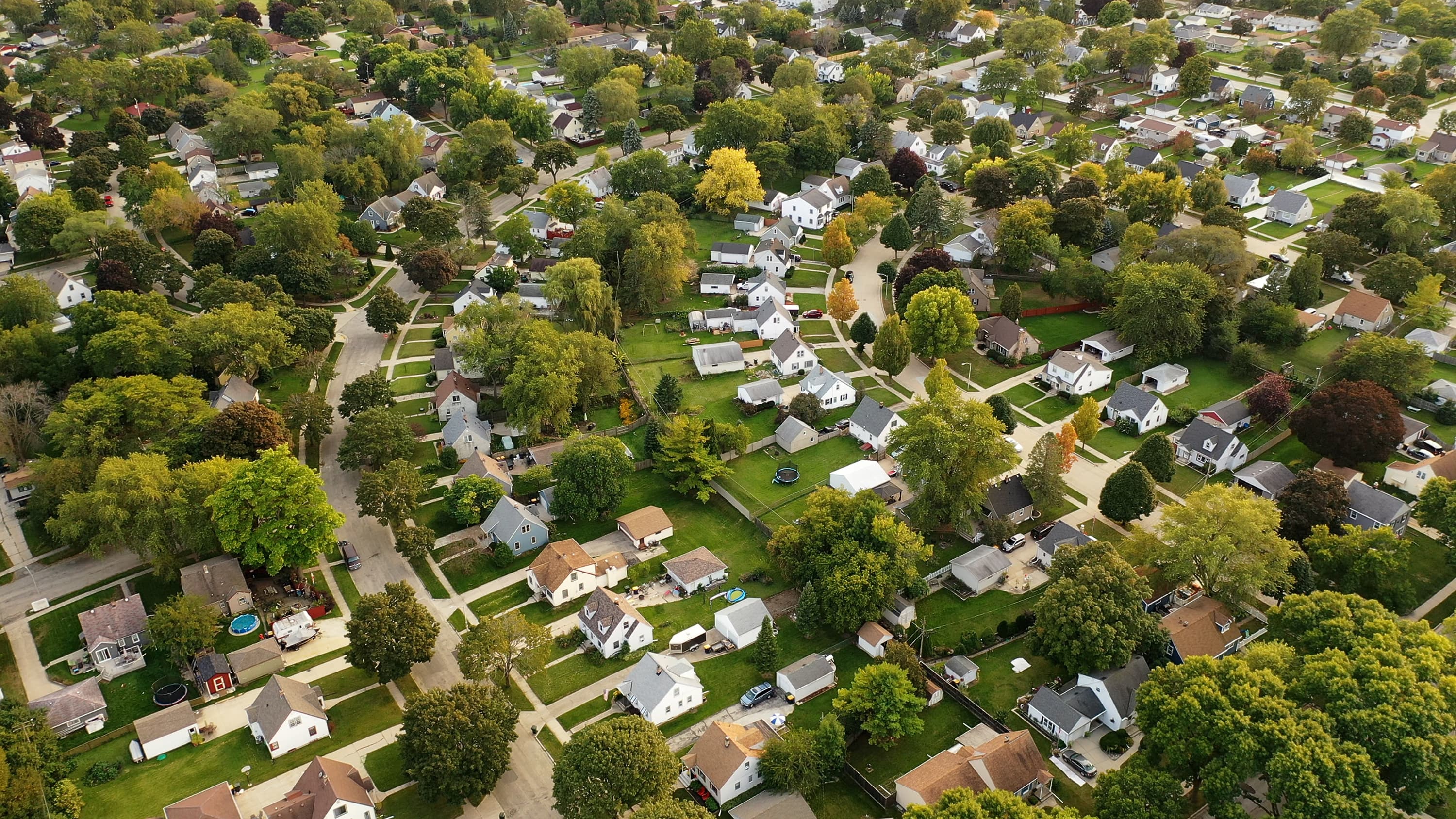
Are homeowners required by law to purchase wind and hail coverage for their homes? Plenty of new homeowners have asked the same question. Home insurance may seem like an unnecessary expense when costs are increasing for nearly every other thing a family needs, but it's an option that shouldn’t be ignored. No, states do not require homeowners to carry insurance for their home, regardless of whether or not they own it. If you’ve purchased your home through a mortgage lender, you will soon learn that lenders have an interest in the condition of your home, the asset they’re lending money against. As such, mortgages will typically include a requirement that home insurance be maintained for the duration of the mortgage. They will receive notice of policy renewals or cancellations, and may put your mortgage into default if there is a lapse in coverage.
Additionally, lenders will generally require that sufficient wind and hail coverage is in place for homes in areas with a higher risk for those weather perils. Home insurance carriers in Texas are required to include a wind and hail deductible as part of their home insurance policies. Calling this piece of the policy out puts the homeowner’s attention on this key part of their coverage.
Home insurance rates are also based on these risks. Homeowners in Texas will often find their premiums and deductibles to be higher than those in other states based on the higher number of hailstorm incidents in their home state.
What state has the least hail risk?
It shouldn’t be a surprise that the state least likely to see damage from hailstorms is one of the most remote–Hawaii, the fiftieth state. Hawaii lacks the geographical surroundings that generate thunderstorms across the U.S. plains. The Aloha State is not completely immune from hail, though. In March of 2012, the Hawaiian islands of Oahu and Lanai experienced an unusually strong and long-lasting thunderstorm with hail. A haillstone measuring approximately four inches by two inches was recorded as the largest in Hawaiian history. This storm was like nothing in modern history for the state, and Hawaii still firmly holds on to the title of Lowest Hail Risk in the United States.
Sources:
Irby, Myryah. “States with the Highest Hail Risk” MoneyGeek, March 19, 2026, https://www.moneygeek.com/living/home/top-states-for-hail-losses/
“State-by-State Hail Statistics: Where Storms Hit the Hardest” YPA Public Adjusters,
https://www.ypapublicadjusters.com/hail-statistics-by-state/
“2012 Hawaii Hailstorm” Wikipedia
https://en.wikipedia.org/wiki/2012_Hawaii_hailstorm

Gray is the Senior Content Specialist at Sola Insurance, working with the Sales and Marketing teams to provide helpful, valuable content for homeowners and agents. Gray has worked previously in finance, logistics, and advertising.